
Kirkland Traffic Ticket Records Guide
Kirkland Traffic Ticket Records usually begin at Kirkland Municipal Court, because the city court handles the local traffic court path and gives you the response choices that go with a citation. If you need to ask for a hearing, review how to pay, or request a city record that relates to the ticket, the official court and clerk pages are the right starting points. Kirkland also gives you both hearing and records-request guidance, so the record trail is usually clear once you know whether you need the case file, the payment portal, or a public records form.
Search Kirkland Traffic Ticket Records
The official Kirkland Municipal Court page says the court is at 11740 NE 118th Street, Kirkland, WA 98034. It also says the court handles traffic court by e-file and hearing by mail, with virtual and in-person options available. That makes the municipal court the starting point for most Kirkland Traffic Ticket Records searches because the case file, the hearing path, and the payment path all connect back to the same court. If you already have the citation number, use it first. If you only know the name, the court page still tells you where the local record belongs.
The statewide Washington Courts case search can help you confirm whether a Kirkland matter appears in the public state system before you contact the court. It is useful as a reference for names, case numbers, and hearing information, but it does not replace the municipal file. For Kirkland Traffic Ticket Records, that means the state search is a good map, while the municipal court remains the source of record. Keeping those roles separate makes the search cleaner.
The local court page is especially useful because Kirkland uses more than one response method. E-file, hearing by mail, virtual hearings, and in-person options all appear in the same court system, so the record may reflect a response even if no one went to court in person. That is why the municipal court page is the best first stop when you want to see how a citation moved through the process.
Kirkland Municipal Court and Hearing Options
Kirkland Traffic Ticket Records are governed by a court page that gives you more than an address. The Request A Hearing page explains the 30-day response rule, the contested, mitigation, and deferred findings choices, and the payment options that go with a traffic citation. That makes it one of the most important pages on the site because it tells you what the court expects before the case moves any further. If the notice of infraction is still open, that is the page that helps you decide what to do next.
The court’s hearing structure is practical. Kirkland traffic matters can move by e-file, by hearing mail, or through virtual and in-person options. That means the file may develop without a traditional courtroom appearance, but it still remains a court record. If you plan to contest the ticket, ask for mitigation, or request deferred findings, the hearing page is where you can confirm the response route before the deadline passes. Those options are part of the record, not just the paperwork.
Payment is also part of the hearing and response structure. If you are handling the citation by payment instead of a hearing, the court page and the official payment portal should stay in sync. That matters because Kirkland Traffic Ticket Records often move through several steps before they are resolved, and the court file should show the response you chose. Whether you are asking for a hearing or paying the citation, the municipal court page is the place that frames the next move.
Kirkland Traffic Ticket Records Payments and Public Records
The official Kirkland payment portal is the direct online payment path for Kirkland Traffic Ticket Records. It is the court-linked service you use when the citation is ready for payment. A portal receipt is helpful, but it is not the whole file. The court record still matters because it shows the citation, the response, and the outcome, while the payment portal only handles the financial side of that process.
When you need a copy of a city record or a formal request path, the city’s public records form is the official route. The combined city police request for public records form includes the city’s five-business-day response detail. That is useful when you need a report or another city record connected to a traffic event, because a ticket is not always the only document in play. For Kirkland Traffic Ticket Records, the form gives you a city records channel that is separate from the court response path.
That separation is important. If your need is the case itself, use the municipal court or hearing page. If your need is a police report or another city record, use the records request form. Kirkland makes both paths available, which helps keep the search organized. It also keeps you from confusing the court’s response rules with the city’s public records process, two systems that work together but do not answer the same question.
Kirkland Traffic Ticket Records and Local Case Detail
Kirkland Traffic Ticket Records can be easier to follow than users expect because the city spells out the main choices right on the court site. If you want to contest the ticket, the hearing page tells you how to do it. If you want mitigation, the same page shows that path too. If you want deferred findings, that option is identified as well. When all of those responses are in one place, it becomes much easier to see how the citation will affect the record.
The municipal court address at 11740 NE 118th Street is another useful anchor point because it tells you where the record is centered. A case may be handled virtually, by mail, or in person, but the file still belongs to the Kirkland court. That is why the court page, the hearing page, and the payment portal should be used together when you are sorting out a traffic ticket. They describe the same local process from three different angles.
The public records form fills in the rest of the picture when the question is broader than the citation itself. A traffic stop can generate a city report, a court response, and a payment record. Kirkland Traffic Ticket Records become much easier to manage when you keep those documents separate and use the right official source for each one. The city has already broken the process into clear parts, which is helpful when you need a clean search path instead of a generic web result.
Kirkland Traffic Ticket Records Images
The official Kirkland payment portal shows the online payment path for Kirkland Traffic Ticket Records.
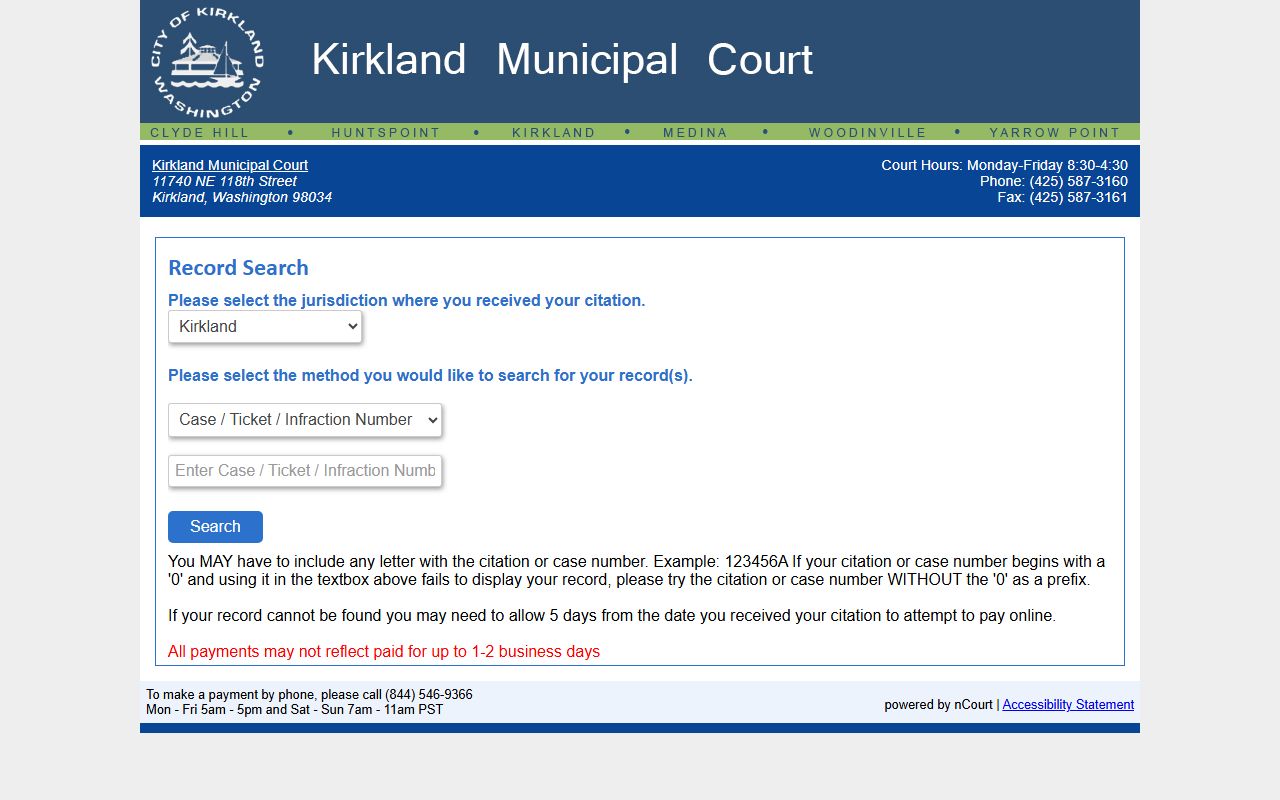
That page is useful because payment activity stays tied to the same municipal court case file.
The official Kirkland hearing request page shows the response options and the 30-day rule for Kirkland Traffic Ticket Records.
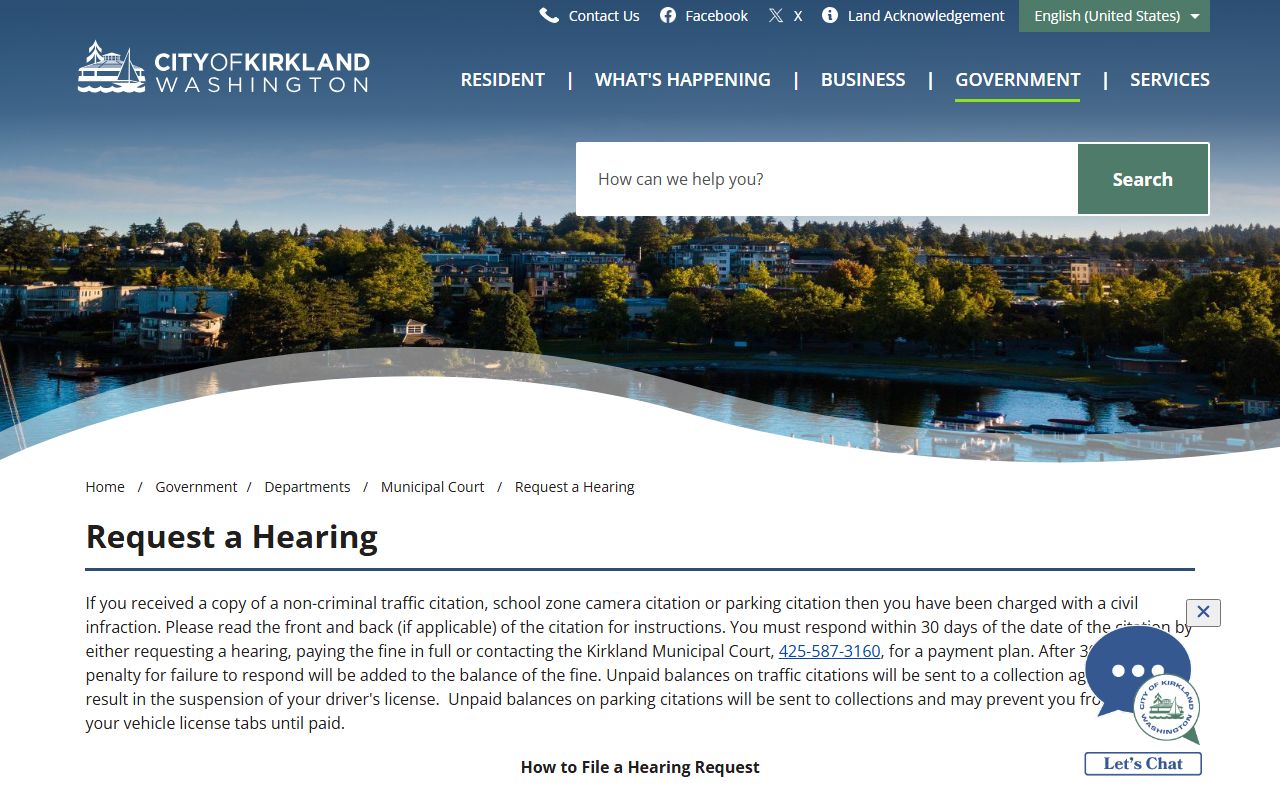
That page matters because it explains how contested, mitigation, and deferred findings requests fit into the case record.
The official Kirkland Municipal Court page shows the court location and traffic court structure for Kirkland Traffic Ticket Records.
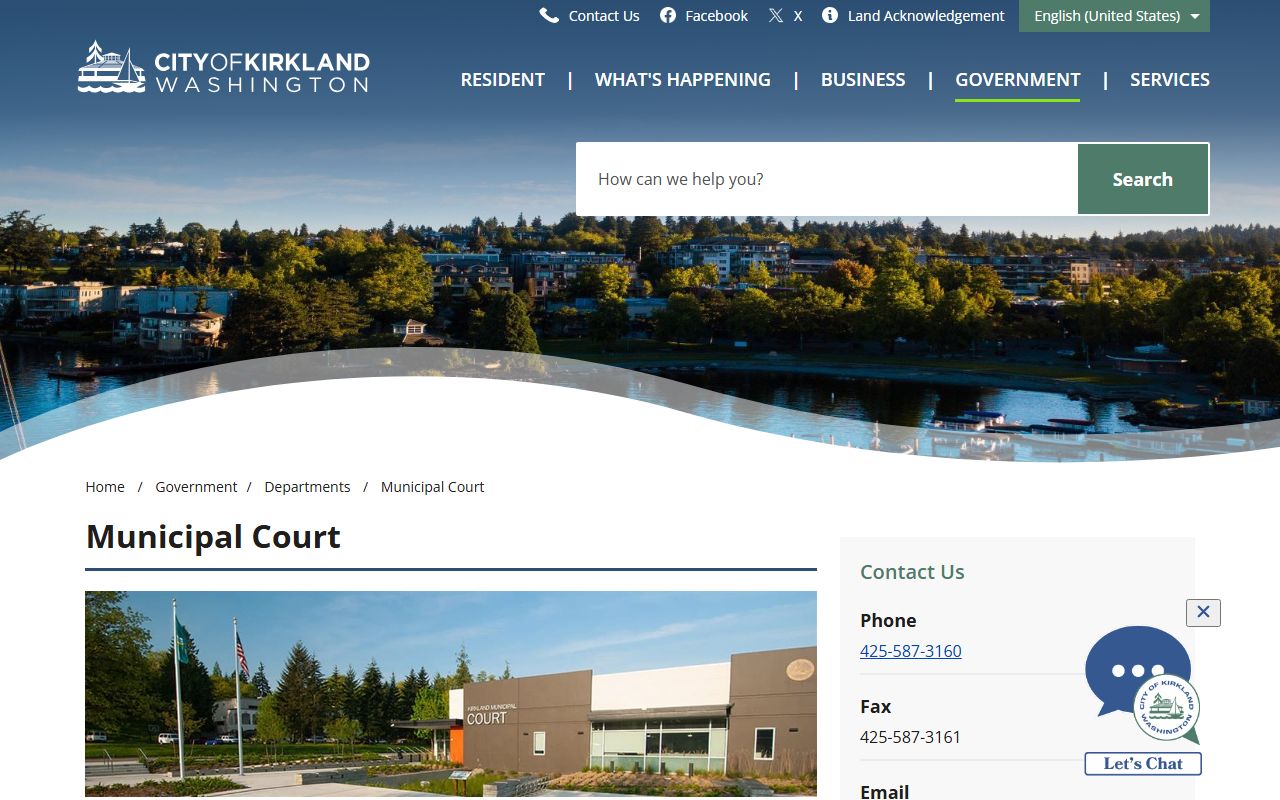
That court page anchors the local record search because it identifies the office that keeps the file and hears the case.
Kirkland Traffic Ticket Records and Next Steps
If you need Kirkland Traffic Ticket Records, start with the municipal court page to confirm the court location and response structure, then use the hearing page if you need to contest, mitigate, or ask for deferred findings. If the citation is ready for payment, the payment portal is the next stop. If you need a city report or another public record tied to the incident, use the records request form instead of the court response pages. That sequence keeps the record search aligned with the official source that actually controls each part of the process.
Kirkland’s system is fairly clear once the record type is separated from the citation itself. Court, payment, and public records are all available, but each has its own path. For that reason, Kirkland Traffic Ticket Records are best handled by official city and state tools from the start. Once you know which document you need, the rest of the search is usually straightforward.