
Federal Way Traffic Ticket Records Guide
Federal Way Traffic Ticket Records usually begin at Federal Way Municipal Court, because the city court handles the traffic infraction path for local cases and the related hearing or payment questions that follow. If you need to confirm a citation, check where a hearing is being handled, or understand whether the matter sits in the municipal court file, the official city pages point you to the right office. Federal Way also separates traffic infractions from court payments, so it is easier to move from the citation to the record once you know which step you need first.
Search Federal Way Traffic Ticket Records
The official Federal Way Municipal Court page says the court is at 33325 8th Ave S, Federal Way, WA 98003. It also says the court has limited jurisdiction over traffic infractions, criminal and gross misdemeanors, and impound hearings, with both in-person and Zoom hearing context. That makes the municipal court the record holder for the kinds of tickets most people mean when they search Federal Way Traffic Ticket Records. If you already know the citation number, start there. If you only know the name on the ticket, the public case path is still the same.
When you need a broader reference, the statewide Washington Courts case search can help you confirm whether a Federal Way case appears in the public court system. It is useful for checking a name, a case number, or a hearing reference before you contact the local court, but it is still a reference tool rather than the official file. That distinction matters because Federal Way Traffic Ticket Records are controlled by the municipal court, not by a search page that only mirrors case information.
The city’s traffic infractions page is the practical guide for what to do next. It explains the response options for a notice of infraction and points you toward hearing and payment paths. If the citation is still open, that page is usually the fastest way to see whether you should pay, contest, or ask for a hearing. For a local driver, that is often the first decision that determines how the record develops.
Federal Way Municipal Court and Record Path
Federal Way Traffic Ticket Records are easier to follow when you separate the court file from the payment file. The municipal court page is where you confirm the office, the address, and the type of matter the court can hear. The traffic infractions page is where you learn how to respond to the ticket. The payment page is where you handle the financial side once the case is identified. Those three pages work together, but they answer different questions. That is why it helps to move in order instead of jumping straight to a payment screen or a search result.
The official Federal Way court payments page is the right place to verify how a citation is paid after it is tied to the municipal court file. A payment page does not replace the docket or hearing record. It just tells you where the money side of the case goes once the court file exists. If you are trying to prove that a ticket was handled, payment confirmation becomes part of the same record trail, so it is worth keeping the receipt and the case information together.
This structure also explains why Federal Way Traffic Ticket Records can involve more than one step even when the citation looks simple. A traffic infraction may stay within the municipal court, but an impound hearing or a hearing question can change how the case moves through the court system. The city pages are built to keep that path organized. If you are unsure where a record belongs, the municipal court page comes first, then the infraction instructions, then the payment page if the case is ready for that step.
Federal Way Traffic Ticket Records and Hearings
Federal Way’s municipal court page makes clear that the court handles in-person and Zoom hearing context, which is useful when a driver needs to respond but cannot treat the ticket as a simple mail-in matter. Federal Way Traffic Ticket Records can reflect a hearing request, a change in hearing format, or an impound hearing that belongs in the same court file as the citation. If the notice gives you a deadline, the safest move is to check the traffic infractions page first so you know whether your next step is payment, a response, or a hearing request.
The court’s limited jurisdiction is also part of the local record picture. A driver might think only criminal cases stay in municipal court, but Federal Way Municipal Court also hears traffic infractions and impound hearings. That means the record trail is not just about guilt or payment. It is about jurisdiction, hearing type, and the court that keeps the file. For a Federal Way citation, those details matter because they determine whether the public case lookup, the traffic page, or the payment page is the right next step.
When a record is already open, the cleanest approach is to use the official city sources before looking for help elsewhere. The municipal court page tells you where the case lives. The traffic infractions page tells you how to respond. The payment page tells you how to pay if that is the path you choose. Together, those pages cover the usual Federal Way Traffic Ticket Records questions without sending you to unrelated websites or general advice pages that do not control the actual case file.
Federal Way Traffic Ticket Records Images
The official Federal Way court payments page shows the city’s payment path for Federal Way Traffic Ticket Records.
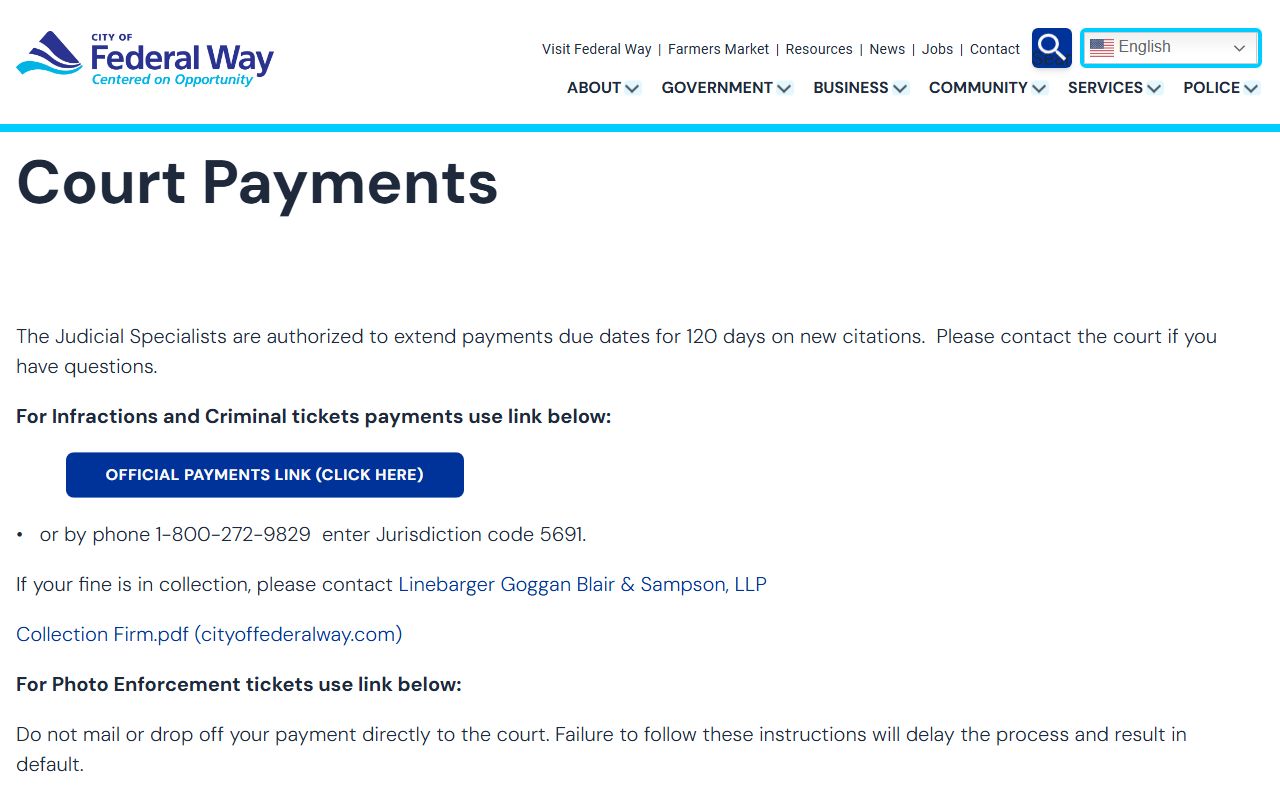
That page is useful because payment status is part of the same municipal court record that tracks the citation.
The official Federal Way traffic infractions page explains the response choices for a Federal Way citation.
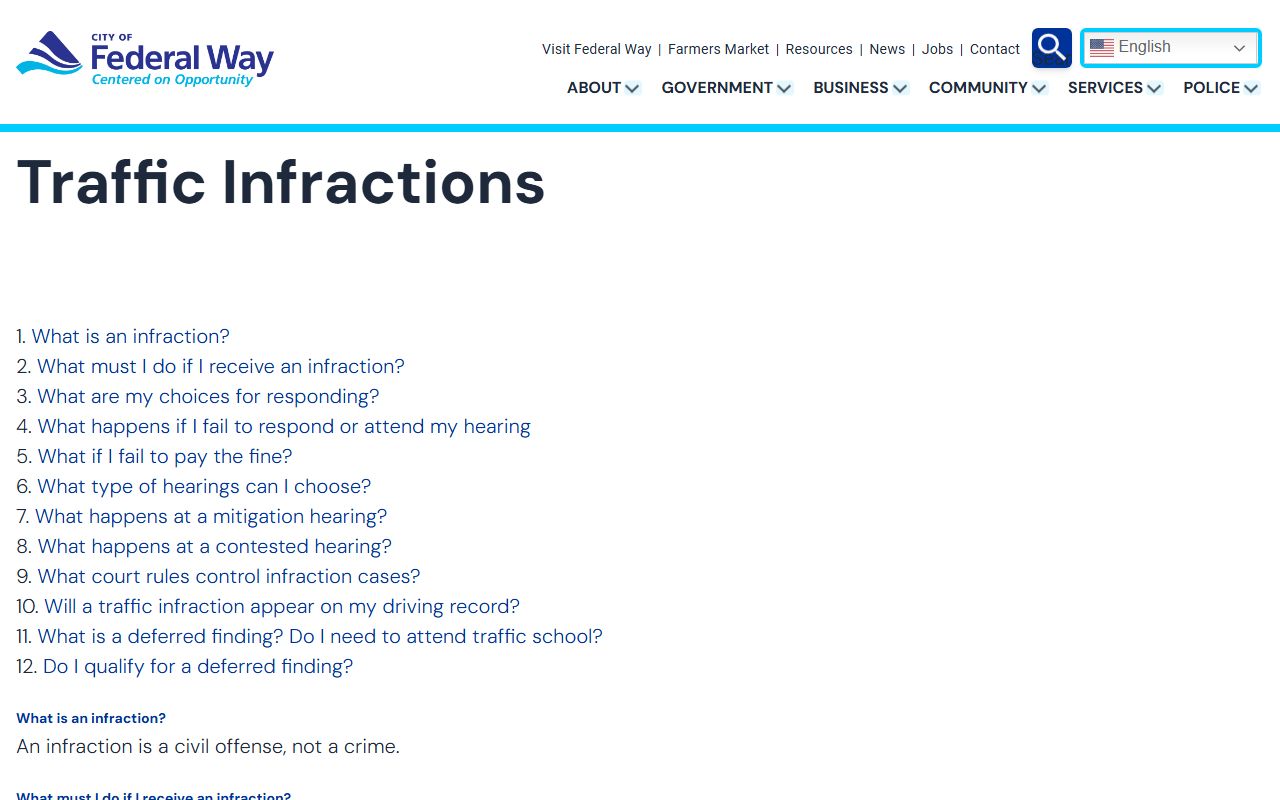
That page is the best place to check whether you should pay, request a hearing, or follow another court response path.
The official Federal Way Municipal Court page shows the court location and limited jurisdiction for Federal Way Traffic Ticket Records.
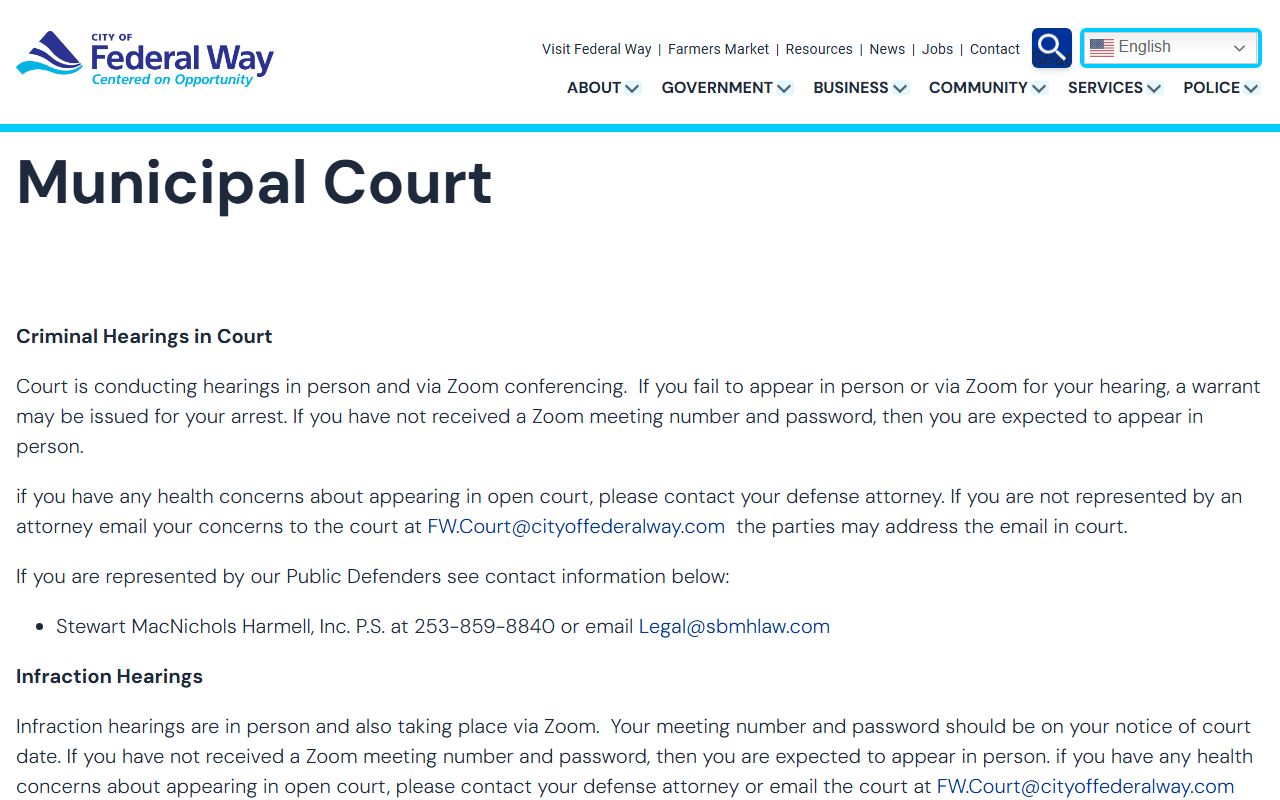
That court page anchors the local record search because it identifies the office that keeps the case file.
Federal Way Traffic Ticket Records and Next Steps
If you need Federal Way Traffic Ticket Records, start with the municipal court page, then move to the traffic infractions page to see the response choices, and use the court payments page if the case is ready for payment. If you are only trying to confirm that a public case exists, the statewide court search can help as a reference, but the municipal court still controls the official record. That sequence keeps the search focused on the source that actually owns the ticket.
Federal Way also gives you useful hearing context up front, which saves time if the case is not a routine pay-and-close matter. In-person and Zoom hearing options, impound hearings, and the city’s limited jurisdiction all point back to the same municipal court file. For that reason, Federal Way Traffic Ticket Records are best handled by staying with the city’s official pages until you know exactly where the case belongs. Once the record is identified, the rest of the process becomes much easier to follow.